
How to Sell a Gun in South Africa: Seller’s Guide
By Geebo Editorial Team ·
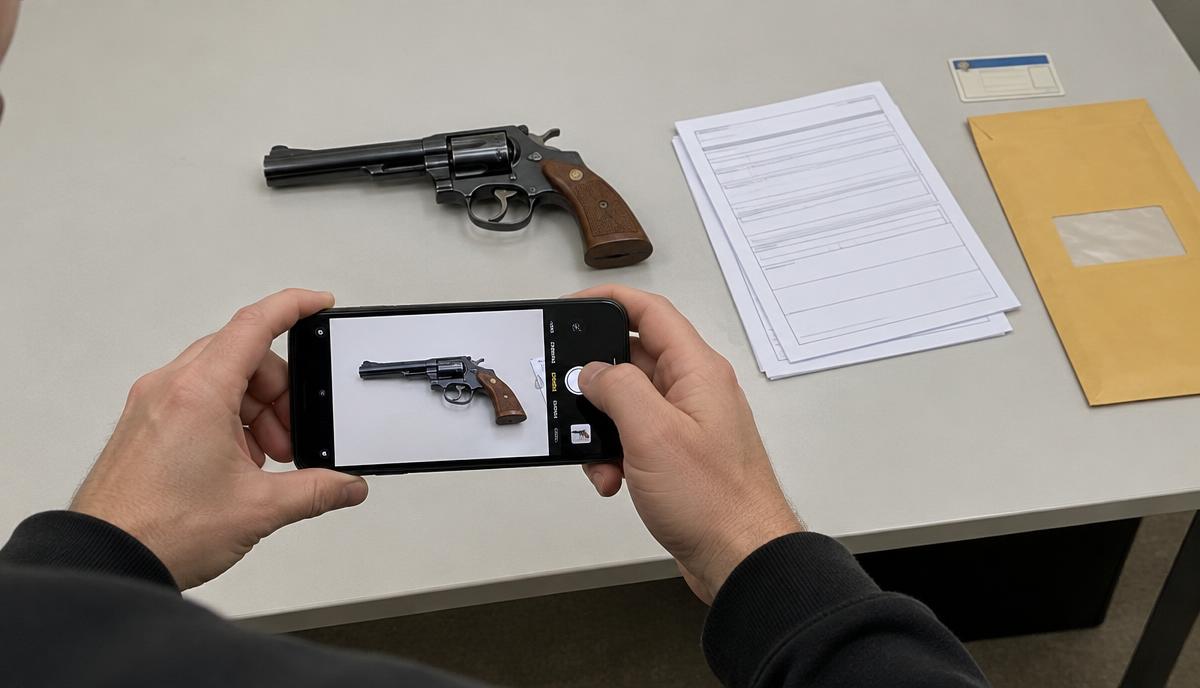
Wondering how to sell a gun in South Africa without getting caught out by paperwork or payment scams? Start with your licence documents, a realistic asking price and a SAPS-registered firearms dealer who can manage the transfer. Finding a buyer is only part of the job: payment does not give that buyer permission to take the firearm home.
Key takeaways
- Use a SAPS-registered firearms dealer for your private sale and agree on the process before accepting a deposit.
- The buyer needs the appropriate competency and an approved firearm licence before taking possession.
- Price against comparable firearms, not just what you originally paid.
- Publish useful photographs, but keep identity documents, licence details and the full serial number out of your public advert.
- Verify payment through your bank; a proof-of-payment screenshot is not confirmation.
- An inherited firearm requires estate paperwork and lawful custody, not an informal family handover.
1. Check your paperwork before advertising
Before typing “sell my gun” into a search bar, confirm that you have the legal authority to sell it. Check your licence, the firearm’s identifying details and any documents relevant to its ownership. If you are selling for somebody else, do not assume their verbal permission is sufficient.
If the licence has expired, the holder has died, or the serial number does not match the paperwork, stop and speak to your Designated Firearms Officer (DFO) and a registered dealer. Do not transport or hand over the firearm based on assumptions about renewal rules or an amnesty.
Which licence sections matter?
The Firearms Control Act 60 of 2000 provides different licensing purposes. Your buyer must qualify for the appropriate category; they do not simply inherit your licence or necessarily apply under the same section.
- Section 13: self-defence.
- Section 15: occasional hunting and sports shooting.
- Section 16: dedicated hunting and dedicated sports shooting.
- Section 16A: professional hunting.
- Section 17: firearms in a private collection, subject to the applicable collector requirements.
Eligibility, firearm restrictions and supporting documents differ. A buyer needs the relevant competency certificate and must obtain approval of their firearm licence application using SAPS 271 before taking possession. For broader background, read our full legal buy & sell guide.
2. Value the firearm realistically
A good asking price reflects what you are selling today, not the replacement cost of everything you bought over the years. Compare the same make, model, calibre and approximate generation. A heavily used example and a clean firearm with documented maintenance are not equivalent.
Browse Guns & Firearms on Geebo and other relevant listings, including specialist platforms such as GunAfrica and Guntree. Treat advertised amounts as asking prices, not proof of completed sales. Compare several examples and ask a dealer for an assessment if the model is unusual.
| Factor | What to check | Pricing implication |
|---|---|---|
| Condition | Finish, corrosion, mechanical condition and disclosed faults | Repairs and uncertainty usually reduce buyer interest |
| Exact model | Generation, variant, calibre and factory configuration | Similar names can conceal meaningful differences |
| Accessories | Optics, magazines, case and other lawful extras | Useful extras may help, but rarely recover their full new price |
| History | Service records, modifications and known usage | Verifiable information supports a more credible advert |
| Transfer costs | Dealer administration and storage charges | These affect the buyer’s total budget and your net proceeds |
Set an asking price in Rands, a minimum acceptable amount and a clear position on fees. Any typical asking range is only a rough guide: location, condition, demand and included equipment can move the figure considerably. Avoid presenting an informal comparison as a formal valuation.
3. Take clear, privacy-conscious photographs
Good photographs reduce repetitive questions. Handle the firearm only where you are legally entitled to do so, with the muzzle in a safe direction and your finger away from the trigger. Confirm that it is unloaded using the correct procedure for that firearm and keep ammunition away from the photography area.
If you are unfamiliar with it, particularly an inherited firearm, ask a dealer to assist rather than handling it yourself.
- Photograph both sides in good natural light against a plain background.
- Show the model markings, external condition and included accessories.
- Include close-ups of scratches, worn finishes or other disclosed defects.
- Keep your licence card, ID, home address and full serial number out of public images.
- Avoid backgrounds that reveal your safe location or household security arrangements.
Do not edit out damage. Share identifying details privately with the appointed dealer when needed for verification and paperwork, rather than posting document photographs for strangers.
4. Write an advert that answers the obvious questions
A useful advert is factual, not dramatic. Lead with the make, model, calibre and asking price. Then explain condition, what is included, your general location and how the dealer-managed transfer will work.
State a round count only if you can reasonably support it. “Round count unknown” is more credible than an invented low number. Disclose modifications and known faults, and avoid claims such as “perfect working order” unless you have a sound basis for them.
A simple advert template
[Make and model], [calibre] — R[asking price]. Located in [town/province]. Condition: [honest description, including wear or faults]. Includes: [listed accessories]. Usage and service history: [known information or unknown]. Inspection by arrangement through a SAPS-registered dealer. Dealer-managed transfer only; buyer requires appropriate competency and an approved firearm licence before possession. Transfer and storage fees: [agreed allocation or to be agreed in writing].
Leave out “cash and carry”, “no paperwork” and any suggestion of immediate possession. If you want to sell firearm privately, your advert should make the lawful process clear from the start.
5. Agree on the dealer transfer before taking money
Choose a SAPS-registered firearms dealer and ask them to explain their procedure. Establish whether the firearm will be taken into dealer stock, when that happens and which records and documents are required. A storage arrangement and a transfer into dealer stock are not necessarily the same thing.
- Verify the dealer independently. Confirm their business details and contact them using a trusted number.
- Get a written fee breakdown. Ask about intake, administration, storage, inspection and cancellation charges.
- Agree on lawful custody. The dealer should explain where the firearm may remain during the process and how any authorised movement will be arranged.
- Record the transaction. Use a written agreement identifying the parties, firearm, price, accessories and conditions.
- Complete the licensing process. The buyer supplies the required competency and licensing documentation and applies using SAPS 271.
- Release only when lawful. The dealer verifies the licence documentation and legal requirements before the buyer takes possession.
Keep receipts, the sale agreement and copies of relevant transfer records. Ask how the seller’s firearm record will be updated and obtain confirmation of the dealer’s intake or transfer steps. Do not assume that posting an advert, receiving payment or submitting an application removes the firearm from your licence record.
A pending application, competency certificate alone or payment receipt does not authorise possession. Do not lend the firearm to the buyer while they wait.
6. Keep payment and inspection safe
Agree in writing when the deposit and balance become payable. State what happens if the buyer withdraws, a licence application is refused or storage runs longer than expected. Do not promise a SAPS approval date; processing times vary.
Check incoming funds through your own banking app or bank, not a buyer’s link, email or screenshot. Where payment looks unusual, ask your bank about clearance and fraud risk before treating it as final. Be wary of overpayments followed by urgent refund requests or last-minute changes to banking details.
Arrange inspections through the dealer rather than inviting unknown buyers to your home. Any function testing must take place lawfully through an appropriate dealer or range arrangement. Never allow a buyer to take the firearm away “to try it”.
Read Geebo’s safety tips and keep communication and transaction records. A buyer who refuses dealer involvement or pressures you to skip paperwork is a reason to stop, not a reason to negotiate.
7. Selling an inherited firearm
Finding a firearm among a deceased relative’s belongings does not make you its licensed owner. A will can identify an intended beneficiary, but it does not replace the licensing process or authorise possession.
Contact the estate’s executor or duly authorised estate representative, the DFO and a registered dealer. They can establish who may authorise a sale, what estate documents are needed and how lawful storage must be handled. Do not move the firearm yourself unless you have confirmed the necessary legal authority.
The dealer may need the deceased’s licence information, the death certificate and documents establishing the representative’s authority. Requirements depend on the estate and the firearm’s status. If it is undocumented or its status is uncertain, get SAPS guidance before advertising it.
Where an heir wants to keep the firearm, they still need to satisfy the applicable competency and licensing requirements. Where it is sold, the estate representative should ensure that the proceeds and transaction are properly recorded.
Selling on Geebo
Once your photographs, price and wording are ready, the advert itself can be a quick job. Aim for a 60-second submission using prepared details; account steps, uploads or a slow connection may take longer. That is an advert-preparation target, not a promise of instant publication or a completed firearm transfer.
- Open the posting page: post a free gun ad and follow the current prompts.
- Choose the relevant category: use Guns & Firearms and any applicable classification offered.
- Add the essentials: paste your title, Rand price, general location and factual description.
- Add your photographs: check for exposed personal details and ensure the images show the actual firearm.
- Review and submit: confirm the dealer-transfer wording and follow any remaining on-screen steps.
After submission, respond consistently and update the advert when the firearm is reserved or sold. For more context, see our local firearm buying and selling guide and our guide to rifles and shotguns for sale in South Africa.
Frequently asked questions
Can I sell my gun privately in South Africa?
You can find a private buyer and agree on a price, but use a SAPS-registered firearms dealer to manage the transfer. The buyer needs the appropriate competency and an approved firearm licence before taking possession; your licence does not transfer to them.
Can the buyer collect after paying a deposit?
No. A deposit does not authorise possession, nor does full payment or a pending application. Collection must wait until the firearm licence is approved and the dealer has verified the required documentation and release requirements.
Who pays the dealer and storage fees?
That is something the seller and buyer must agree on. Obtain the dealer’s charges beforehand and record who pays each fee, including ongoing storage and costs if the transaction is cancelled or licensing is unsuccessful.
Can I sell a firearm inherited from a parent?
A sale must be authorised through the deceased estate by the executor or duly authorised representative. Consult the DFO and a registered dealer about documents and lawful custody. Being an heir does not itself permit you to possess, transport or hand over the firearm.
What if my firearm licence has expired?
Get case-specific guidance from your DFO and a registered dealer before arranging a sale, transport or handover. An expired licence raises legal issues that an advert or sale agreement cannot fix; do not assume that an amnesty or ordinary transfer route applies.
Can I post a firearm advert on Geebo in 60 seconds?
Preparing your description, price and photos beforehand can make submission quick, but the actual time depends on the current posting process and any account requirements. Creating an advert does not complete the sale, dealer transfer or buyer’s licensing process.
General guidance, not legal advice; confirm with your DFO or a registered dealer.
South African firearm laws — quick FAQ
Buying or selling a firearm in South Africa is regulated by the Firearms Control Act. Here are the essentials every buyer and seller should know before listing or replying to an ad.
This summary is general guidance, not legal advice. Always confirm current SAPS requirements with your Designated Firearms Officer (DFO) or a registered dealer.
Ready to buy or sell?
Post a free ad on Geebo and reach thousands of buyers across South Africa.
Post Free Ad