Cattle and Goats for Sale: How to Buy Livestock Safely
By Geebo Editorial Team ·
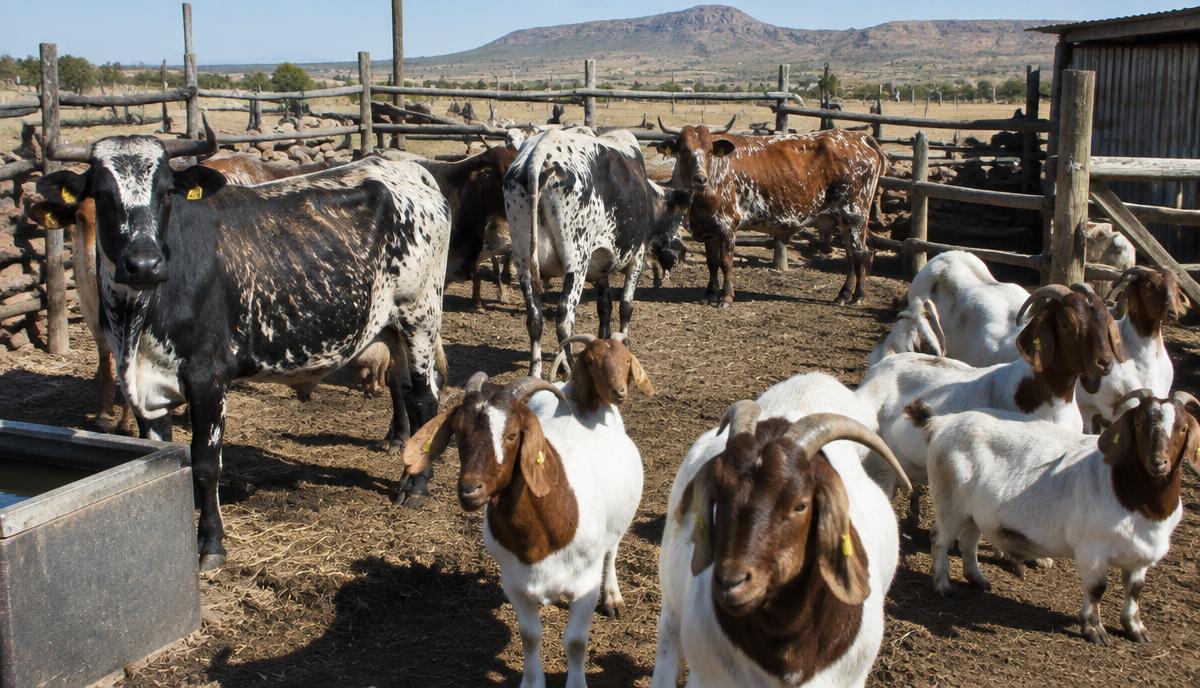
Whether you're adding Nguni cows to a herd or buying Boer goats for a ceremony, buying livestock privately is common in South Africa. It also carries risks: stock theft, disease and animals that aren't what they were described as.
Legal checks first
- Brand marks: under the Animal Identification Act, cattle should carry a registered brand. Ask to see the seller's brand certificate.
- Proof of ownership: get a written receipt with the seller's ID number, the number of animals, descriptions and brand marks.
- Movement rules: in some areas, especially during foot-and-mouth outbreaks, moving animals needs veterinary approval. Check with your state vet.
Health checks
- Bright eyes, clean noses and good body condition.
- Ask about vaccinations (for example anthrax, botulism, and pulpy kidney in goats) and dipping.
- For breeding stock, ask about pregnancy status and calving or kidding history.
Stock-theft red flags
- Prices far below market rates, or pressure to collect at night.
- Fresh or altered brands.
- A seller who won't give their ID or meet at the farm.
Frequently asked questions
How do I know livestock isn't stolen?
Ask for a brand certificate and ID, meet at the farm in daylight, and get a signed receipt describing each animal.
What does a Boer goat cost?
Prices vary widely by size and quality. Ordinary slaughter goats cost much less than registered stud animals, so compare current listings in farming.
Can I advertise livestock for free?
Yes. Post a free ad on Geebo with photos and your area, such as Free State or Limpopo.
Ready to buy or sell?
Post a free ad on Geebo and reach thousands of buyers across South Africa.
Post Free Ad